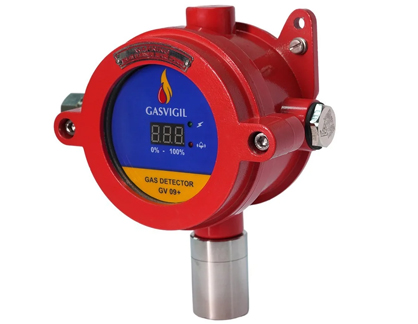
The Role of Ammonia Gas Leak Detectors in Industrial Safety
The Role of Ammonia Gas Leak Detectors in Industrial Safety, In the industrial landscape, safety is paramount. Among the many hazards present in various sectors, ammonia gas poses a significant threat, particularly in industries such as refrigeration, agriculture, and chemical manufacturing. With the potential for serious health risks and environmental impacts, the importance of ammonia gas leak detectors cannot be overstated. In this blog post, we will explore the role of these detectors in enhancing industrial safety and protecting lives.
Understanding Ammonia Gas
Ammonia (NH₃) is a colorless gas with a distinct, pungent odor. It is widely used in agricultural fertilizers, as a refrigerant, and in various manufacturing processes. While ammonia is an essential compound in several industries, it is also highly toxic in high concentrations. Inhalation of ammonia can lead to respiratory distress, chemical burns, and even long-term health issues. Therefore, detecting ammonia leaks promptly is crucial for preventing catastrophic incidents.
The Mechanics of Ammonia Gas Leak Detectors
Ammonia gas leak detectors are specialized devices designed to identify the presence of ammonia in the air. These detectors employ various technologies, including electrochemical sensors, infrared sensors, and semiconductor sensors, to detect ammonia concentrations.
- Electrochemical Sensors: These sensors work by creating a chemical reaction when ammonia comes in contact with the sensor. The resulting electrical signal correlates with the concentration of ammonia, allowing for real-time monitoring.
- Infrared Sensors: These detectors measure the absorption of infrared light by ammonia molecules. Since ammonia has distinct absorption characteristics, this method allows for accurate quantification even in harsh environments.
- Semiconductor Sensors: These sensors use a sensing material that changes its resistance in the presence of ammonia. They are generally less expensive but may be less accurate than other types.
Modern ammonia gas detectors are often integrated with alarm systems, data logging features, and wireless communication capabilities, enabling them to alert personnel immediately in case of a leak.
Enhancing Industrial Safety
- Early Detection and Response
The primary purpose of ammonia gas leak detectors is to provide early warnings of leaks, allowing workers to take immediate action. In many cases, the faster the response, the less the potential for harm. Alarms can trigger evacuation protocols, ventilation systems, or emergency shut-offs, significantly reducing the risk of accidents.
- Compliance with Regulations
In many jurisdictions, regulations mandate the use of gas detection systems in facilities handling hazardous materials like ammonia. Compliance with these regulations not only protects workers but also reduces the risk of fines and sanctions for businesses. Investing in reliable ammonia gas leak detectors demonstrates a company’s commitment to safety and regulatory adherence.
- Protecting Personnel and the Environment
The dangers posed by ammonia leaks extend beyond the immediate health risks to personnel. Ammonia can cause severe environmental impacts, particularly if it contaminates water sources. By implementing effective leak detection systems, industries can prevent potential disasters that could harm both workers and the surrounding community.
- Cost-Effectiveness
While purchasing ammonia gas leak detectors may seem like a significant upfront cost, the long-term savings can be substantial. Preventing leaks not only safeguards employees but also mitigates potential legal liabilities and environmental cleanup costs. Investing in safety measures today can save organizations a considerable amount of money in the future.
Best Practices for Ammonia Gas Detection
To maximize the effectiveness of ammonia gas leak detectors, several best practices should be observed
- Regular Maintenance: Routine checks and calibration of detectors ensure they function properly. This includes replacing sensor components when necessary.
- Training: Personnel should be trained to understand how to use the detection systems and respond to alarms appropriately. Effective training can make the difference between a controlled response and a potential disaster.
- Integration with Safety Protocols: Ammonia gas detection systems should be an integral part of broader safety protocols, including emergency response plans and evacuation procedures.
- Site-Specific Strategies: Industrial operations can vary greatly; therefore, leak detection strategies should be tailored to the specific needs of each facility, considering factors like ammonia usage, facility layout, and existing safety measures.
Conclusion
Ammonia gas leak detectors play a vital role in maintaining industrial safety in environments where ammonia is present. By providing early detection of leaks, ensuring compliance with regulations, and protecting both personnel and the environment, these detectors are indispensable tools for any industry handling this hazardous substance. Investing in reliable leak detection systems not only fulfills a critical safety mandate but also enhances overall operational efficiency and promotes a culture of safety. As we continue to promote industrial growth, let us not lose sight of the imperative to protect our most valuable assets—our people and our planet.